The morning board: how three color clients get stacked on paper
Saturday mornings at the chair mean every line on the schedule gets a double-take. Three color clients, one for highlights, one for balayage, and one for a root touch-up, are stacked between 9:00 and noon. Each service has its own clock. The goals are clear: maximize the chair, fill processing gaps, and avoid a traffic jam at the shampoo bowl.
At 8:50, the first client arrives early for highlights. That ticket goes up on the board: consultation, mix, application, and a clock set for the first check. At 9:30, the balayage client is due. The root touch-up follows at 10:15. The plan on paper is tight but possible. The overlap comes from the processing times built into each service. The trick is using those gaps to layer in the next step, not just for the client in the chair, but for the next appointment walking through the door.
Each appointment is booked with buffers, but only as much as experience allows. Ten minutes for a quick cleanup, five for color check, and just enough margin to keep foils from slipping or bleach from running too far. Double booking only works if every stage fits into the last client's downtime. That makes the board less a list and more a puzzle, one wrong move and the morning falls behind.
Keep reading: How to Write a Salon No-Show Policy Clients Will Actually Sign
Processing time as the only scheduling currency you really have
In a packed salon, time between application and rinse is the only real breathing room. Processing is not downtime for the stylist. It is currency to be spent, sometimes on another head of color, sometimes on a haircut, sometimes on a quick cleanup or supply run. When three color clients are double-booked, every minute of processing is already spoken for.
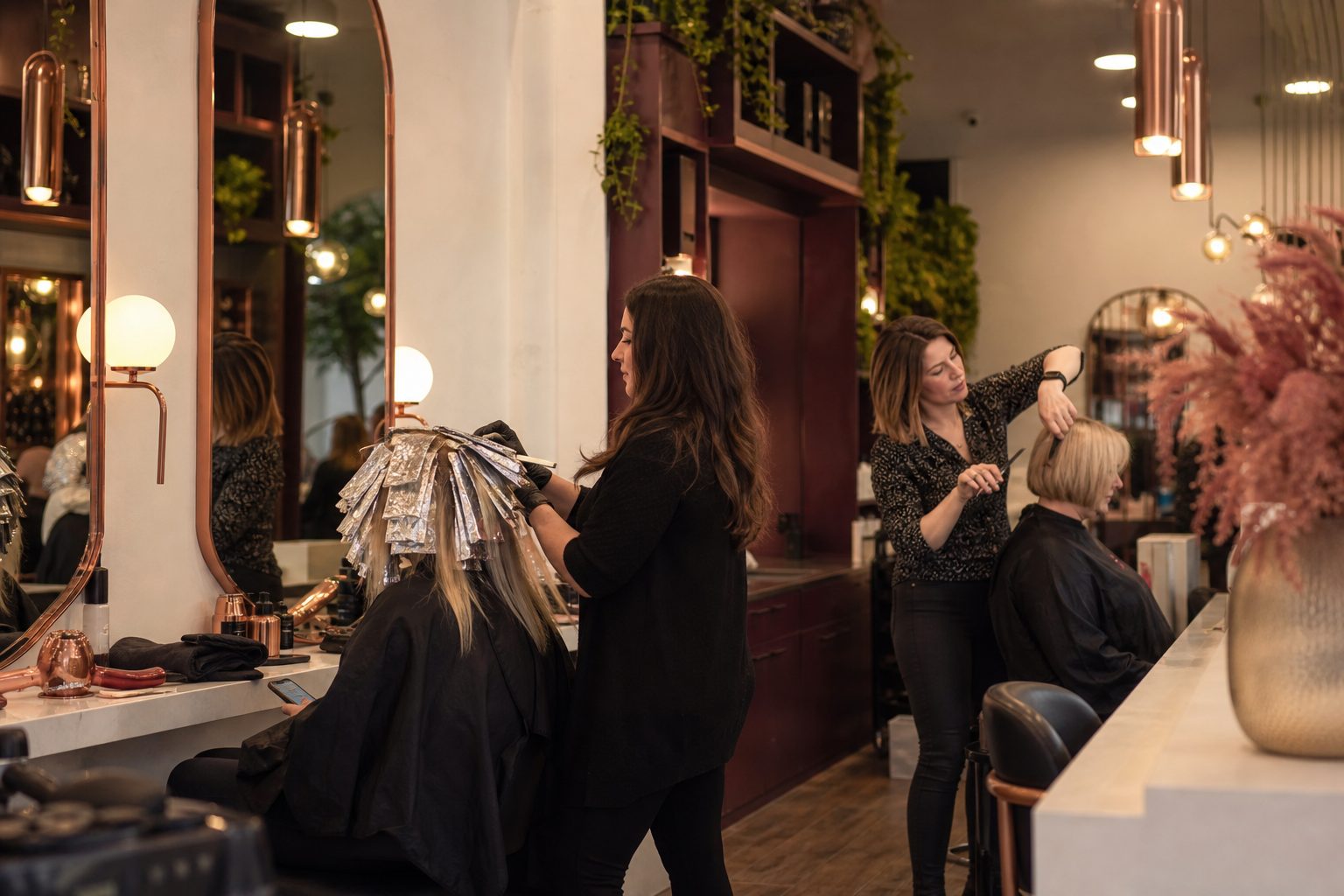
The highlights client's foils start their timer. That is usually around 35 to 45 minutes, depending on the hair and the formula. During that window, the balayage gets started. While that second client processes, the root touch-up sits down. Each service cascades into the next, and the clock on each bowl becomes a reminder: there is no room for error.
There is no such thing as an unused minute. Even a five-minute gap can mean folding towels, mixing a toner, or prepping for a haircut. The most experienced stylists know how to stack these minutes. Processing time pays for the next block of work, but only if appointments are built with discipline. Overbook by even fifteen minutes, and you are in the weeds. Underbook, and you are leaving money on the chair.
Fitting a haircut between a foil application and a toner
Sandwiching a haircut into a color morning is a classic move. It starts with a careful eye on the board. The highlights are on, the balayage is processing, and the root touch-up is finishing up at the bowl. At 11:00, a men's cut slips in. On paper, it looks like a good fit: a thirty-minute service, just as the highlights need to be checked and the balayage is halfway done.
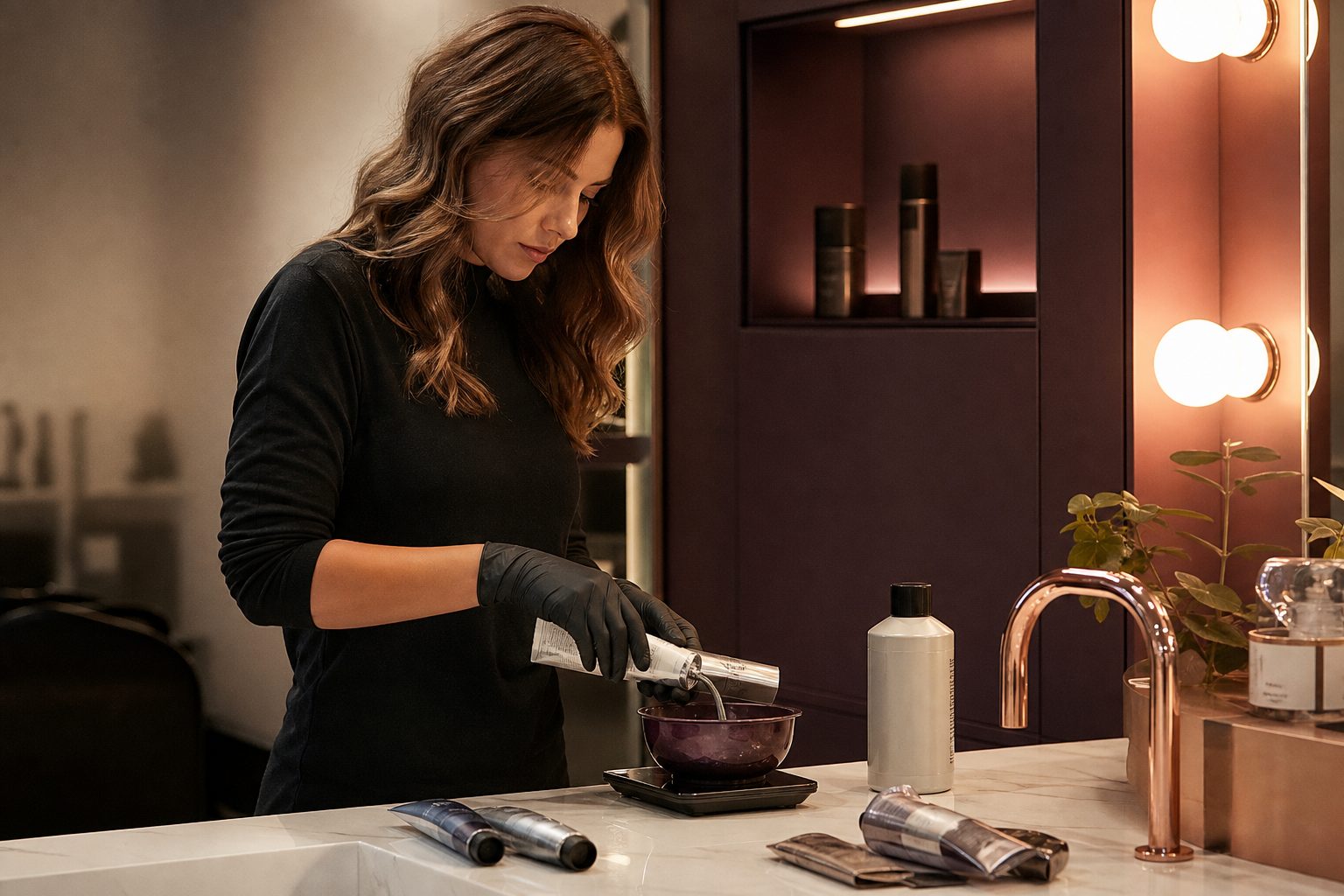
The reality is more delicate. The first five minutes are spent in consultation. Clippers come out, hair hits the floor. Every so often, a glance at the highlights through the mirror, just to make sure the lift is on track. The foil client is in the corner of the eye, while the scissors move. Midway through the cut, the toner for the balayage is mixed and set aside, ready to be applied as soon as the cut is done. If everything goes to plan, the foil comes off, the toner goes on, and the chair flips for the next client.
There are risks. If the haircut runs long, a tricky fade, unexpected cowlick, or a client who wants to chat, the tight schedule starts to unravel. The processing timer has no sympathy for a complicated cut. Every step is a balancing act between service quality and staying on the clock. The payoff, when it works, is an extra ticket without a lost minute. When it does not, the whole day shifts behind.
Keep reading: Booth Rent vs Commission: A Line by Line Cost Comparison
The moment a fourth booking stops fitting and starts costing
The temptation to add one more client is always there. A regular texts in the morning, hoping for a noon slot. The board already shows three colors and a haircut. On paper, a blowout or a quick kid's cut at 12:15 looks possible. Reality disagrees.
That fourth booking is where the system breaks. There are only so many processing windows, and each one is already filled. To fit a fourth, something else must get squeezed: maybe the buffer after the root touch-up, maybe the time to clean the chair, maybe even the actual processing time. That is when mistakes creep in. Color gets rushed off the head, a cut gets shorted, or the next client waits after their appointment time. The domino effect can last all afternoon.
Late in the morning, a stylist is juggling three sets of foils, one toner, a haircut, and now a fourth client waiting. Someone's service gets shortchanged. The cost is not just stress, but lost upsell and tips, and a dent in client trust. Double booking is about efficiency. Triple or quadruple booking is about gambling with the quality and the flow of the whole day.
What a fifteen minute late arrival does to everyone behind it
One late arrival is all it takes to flip the script. At 10:15, the root touch-up is scheduled, but the client walks in at 10:30. The dominoes start to fall. Now the highlights are almost done processing, and the balayage is ready for toner. The chair is already in use, the shampoo bowl is full, and the late root touch-up is waiting.
The first problem is simple: there is no extra chair, no extra stylist, and no extra hands. The late client means a rushed application or a delayed rinse for the previous client. The processing clock does not care about traffic or parking. The late arrival eats up everyone's buffer. Now, the stylist is choosing between overlapping two color clients at the sink or asking someone to wait another twenty minutes. Either way, someone loses patience or gets a rushed service.
In the afternoon, every appointment gets pushed back. The entire board reflows. A fifteen-minute late arrival becomes a thirty-minute delay by 1:00. Clients who arrive early now wait. The stylist loses time that cannot be recovered, and the last appointment of the day is left wondering why they are behind. Double booking only works when everyone is on time. One late arrival takes the whole day off script.
See how ShearHold handles this for beauty and salons
Lunch, restock and the twenty minutes nobody puts on the schedule
Every stylist knows the twenty-minute gap that never makes it onto the booking sheet. Lunch, a quick bite between color checks, or a moment to restock shampoo and gloves. This is the invisible work that keeps the chair running. Double booking fills every visible slot, but the invisible ones are just as real.
By noon, three colors are processing or being rinsed, and the haircut is done. The next slot on the board is for a blowout, but there is no lunch on the schedule. The stylist grabs a protein bar between rinses, refills the color bowls, and rushes to restock developer. The towels are piling up. The retail shelf is half empty, but there is no time to rearrange it. The front desk is unmanned, and phone calls go to voicemail.
The price of double booking is paid in these invisible minutes. There is no overtime for a solo chair renter. Every break is stolen from processing time. Every supply run is squeezed between two clients. The board looks full, but the work behind it is what keeps the lights on and the chair turning over. The best stylists build these twenty minutes into their mental math, but rarely onto the page. That is where burnout starts to creep in, and where mistakes start to show.
Why the rebook has to happen at the chair, not at the door
At the end of a stacked morning, the last thing anyone wants is to lose another five minutes at checkout. Yet that is when most rebooking happens: after the service, near the register, while the next client is waiting. The trouble is that the stylist's head is already on the next color, the client is reaching for their keys, and schedules get lost in the shuffle.
The most efficient move is to rebook at the chair. While foils process or toner sets, the stylist can check the calendar, suggest openings, and lock in the next spot. It keeps the flow moving and sends the client out with a clear date for their return. This habit does more than fill the book: it keeps processing time productive, reduces no-shows, and helps clients commit when they are still focused on their hair, not on their next errand.
For independent stylists and chair renters, every minute counts. A tool that makes rebooking as simple as a tap, that captures deposits and holds no-show fees, can help protect those hard-won minutes. When booking, deposits, and rebooking all work in the same place, the day runs closer to the plan on the board and less at the mercy of the traffic at the door.