The charge: a no-show fee run against a card already on file
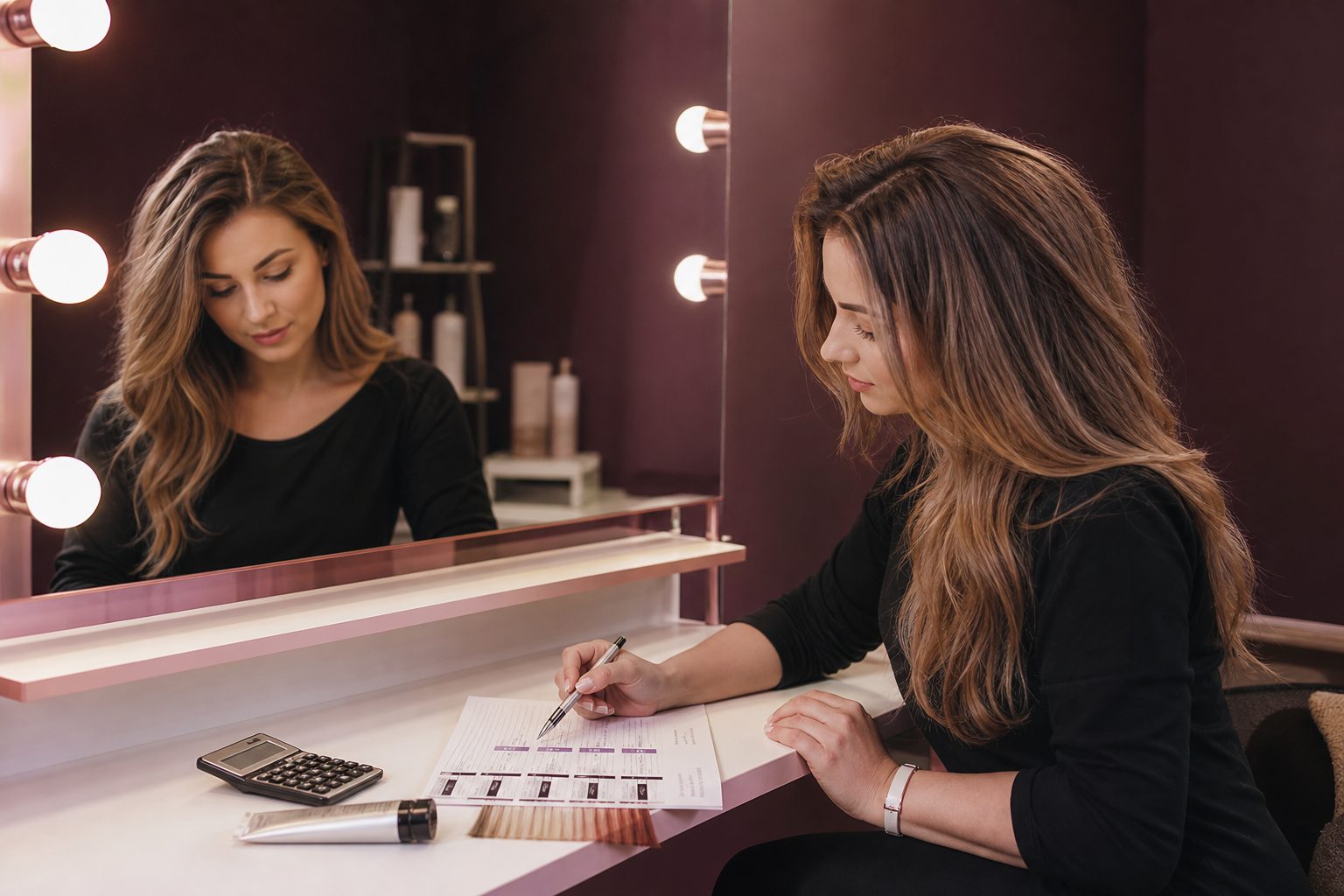
Picture a Thursday afternoon. A stylist at an independent suite has blocked out an hour for a new client. The client booked online, paid a fifty dollar deposit, and gave consent to the cancellation policy. But fifteen minutes after the scheduled start, the chair is still empty. Texts go unanswered. The stylist checks her booking app: the client's card is on file. She triggers the no-show fee, relying on the policy she posted during booking. The platform processes the charge, and in a few minutes, the notification comes through: fifty dollars billed to the card the client used to secure the appointment.
This is the first step in a process that most stylists hope ends here. The fee is collected, the client is notified, and the stylist moves on to her next booking. But all it takes is a tap by the client on their bank's app to reverse the outcome. If the client disputes the charge, the clock starts on a chargeback process that can run for weeks, with the stylist's income and reputation tangled up in unfamiliar paperwork.
Keep reading: Salon Suites and License Reciprocity: What Is Changing for Renters
The dispute arrives, and which reason codes salons usually see
Several days after the fee posts, the stylist receives a notice. The client has disputed the charge, claiming it was unauthorized. This is one of the most common reason codes for no-show fees in the beauty industry. Clients often claim they did not recognize the charge, did not agree to the policy, or never received service. Payment processors translate these claims into standardized reasons: "fraudulent transaction," "services not received," or "cancelled recurring transaction."
For stylists, "services not received" is the one that pops up most. This reason code triggers when a client insists they were billed for a service they did not get. A stylist might also see "credit not processed," which happens when a client claims they cancelled in time, or that the business promised a refund and did not deliver. Each code means a different type of evidence will be needed to keep the fee.
The response clock and who is actually holding it
Once a dispute lands, the payment processor opens a response window. This window is usually counted in calendar days, often 7 to 14. During this time, funds from the disputed charge are yanked from the stylist's account and held in limbo. The processor, not the stylist, manages the dispute paperwork and contacts the card network, but it is up to the stylist to supply the evidence.
Many stylists do not realize that missing the response deadline almost always means an automatic loss. The processor's system closes the case and returns the money to the client. Some platforms offer reminders by text or email, but the burden to gather and upload documentation falls on the stylist, who may already be juggling a full schedule. If the stylist responds in time, the processor compiles the evidence and submits it to the card network. If not, the client's word stands uncontested.
Keep reading: The Station Checklist a Cosmetology Board Inspector Runs
Assembling the evidence: booking record, policy consent, reminder messages
Booking records and timestamps
The cornerstone of any no-show fee dispute is the original booking record. This shows when the client made the appointment, what service was requested, and which card was used to secure the slot. Timestamps matter. A detailed history of booking, confirmation, and cancellation (or lack of it) can make or break a case. A screenshot of the appointment in the stylist's calendar, or a log exported from the booking system, goes a long way.
Policy consent and client agreement
The next essential document is proof that the client agreed to the cancellation and no-show policy. Ideally, the booking platform forces the client to check a box or sign electronically before reserving. This digital consent, time-stamped and tied to the client's name, is much stronger than a printed policy taped to the wall. If the system sends an automated email with the terms at booking, saving the message can also help. The clearer the consent, the harder it is for a client to claim surprise at the fee.
Reminder and confirmation messages
Most booking tools send reminders by text or email before the appointment. These reminders prove the client was notified of their booking and the policy, and that they had a chance to cancel. Including copies of these messages with timestamps, especially if they repeat the cancellation terms, creates a strong evidentiary chain. If the stylist texted the client personally to confirm, those records matter too. The more proof that the client was informed and failed to show or cancel in time, the stronger the position in the chargeback process.
Representment and what happens if the client escalates again
After the stylist submits evidence, the payment processor reviews the documents. If satisfied, they forward the case to the cardholder's bank. This is called "representment." The bank reviews both sides, often with little context about the salon business or how bookings work. The stylist's best hope is that the documentation leaves no doubt. If the bank finds the evidence persuasive, the fee stands, and the funds are returned to the stylist.
But sometimes, even strong evidence does not end the fight. The client can escalate the dispute. In the next round, called pre-arbitration, the bank asks both parties for more information. This can drag the process out for several more weeks. The stylist may need to resubmit documents or offer new explanations. If neither side backs down, the case moves to arbitration by the card network. At this stage, the process becomes slower and more expensive. For a fifty dollar fee, most stylists cut their losses rather than go through another round of paperwork and lost time.
See how ShearHold handles this for beauty and salons
The cost of losing beyond the fee itself
If the stylist loses the chargeback, the consequences go beyond the fifty dollars. Most processors assess a chargeback fee, often between ten and thirty dollars per case. That comes straight out of the stylist's account, even if the dispute was over a no-show fee that was clearly explained in advance. Too many chargebacks, and the processor may flag the stylist as high risk. This can lead to higher processing rates, withheld funds, or even losing access to card payments altogether.
There is also the headache of lost time. Gathering documentation, responding to deadlines, and appealing decisions can eat up hours that could have gone to new clients. Some stylists report spending more time handling disputes than actually earning back the lost income. Finally, there is the damage to client relationships. Even if a stylist wins the case, the client may not return, or may leave negative reviews online. The cost of a chargeback is often hidden in the lost business and increased stress that follow.
The three records that would have closed this before it started
Looking back, stylists who avoid chargeback headaches rely on three core records. First, a booking record with a date and time showing exactly when the client scheduled. Second, a digital policy agreement, either through a checkbox, signature, or a clear message at booking that the client had to acknowledge. Third, automated reminders that document every attempt to inform the client of their appointment and the no-show policy. When these three pieces line up, most chargebacks never start, or end quickly in the stylist's favor.
For independent stylists and chair renters, keeping these records manually is a challenge. Many now use booking systems that automate deposits, policy consent, and reminders, with one-tap access to the documentation needed for disputes. Tools that collect deposits up front, enforce no-show fees, and streamline rebooking can save time and prevent lost income, especially when paperwork makes the difference between keeping a fee and losing it.