Why the industry keeps shifting from commission floors toward rental
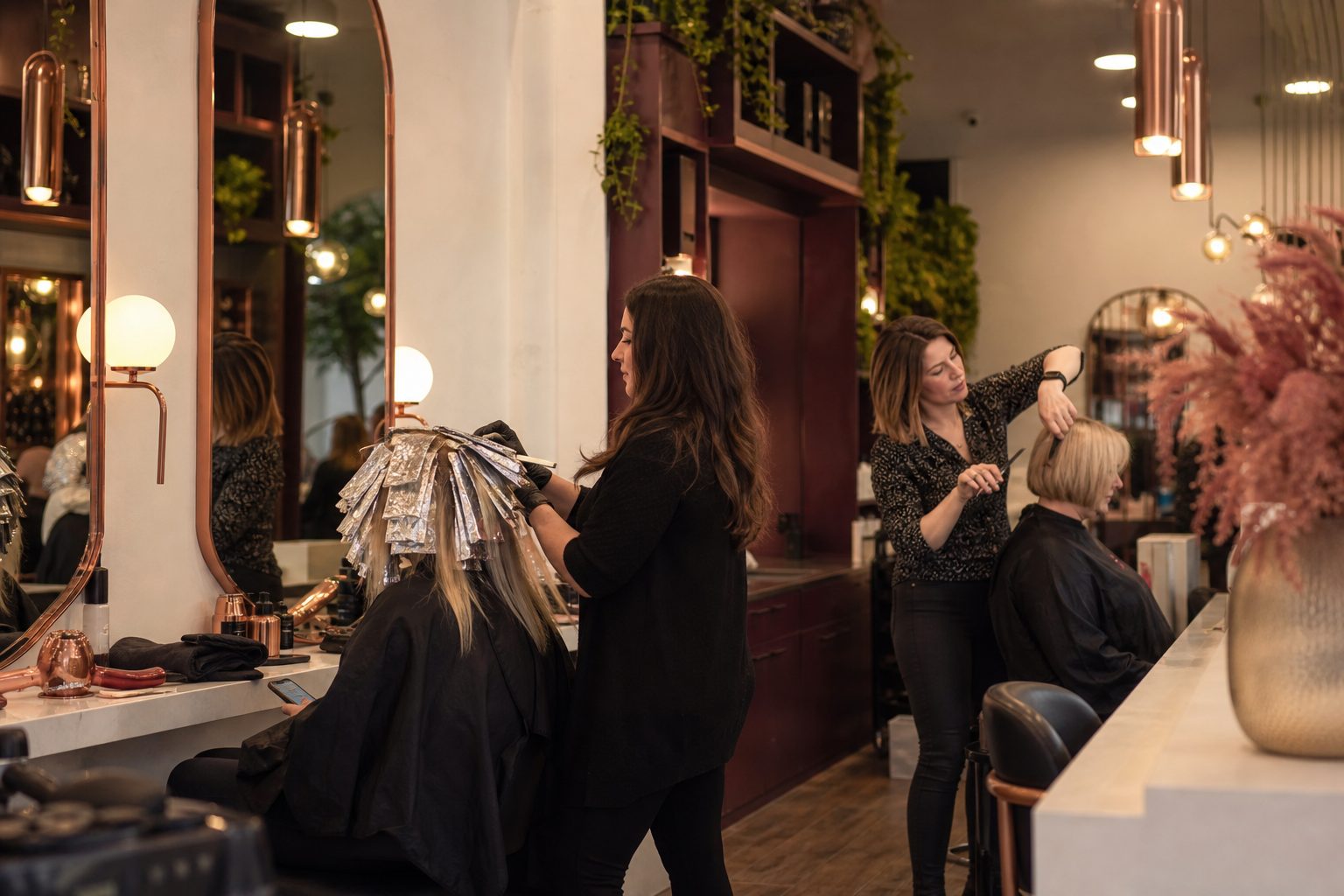
Independent stylists and colorists are voting with their feet. More are choosing chair and suite rentals over traditional commission-based employment. The last decade has seen a steady migration as stylists look for greater control over their schedules, services, and pricing.
Many who rent say autonomy is the big draw. They decide which products to use and how to brand their services. The ability to set hours around family needs or other work is also a major factor. While the commission floor offers a sense of security, it limits these freedoms. For many, the value of independence outweighs predictable paychecks and salon-supplied clients.
Revenue potential is another driver. On commission, a stylist often brings in two or three times their take-home pay. Rental models let them keep most of what they earn, minus booth or suite rent and supply costs. For those with an established client base, the math can be compelling.
Technology adds fuel to the shift. Online scheduling, payment apps, and social media make it easier for independents to attract and serve clients without a salon's front desk. As digital tools become more accessible, the barriers to going solo shrink further.
Keep reading: The Station Checklist a Cosmetology Board Inspector Runs
What a salon suite lease includes that a booth rental does not
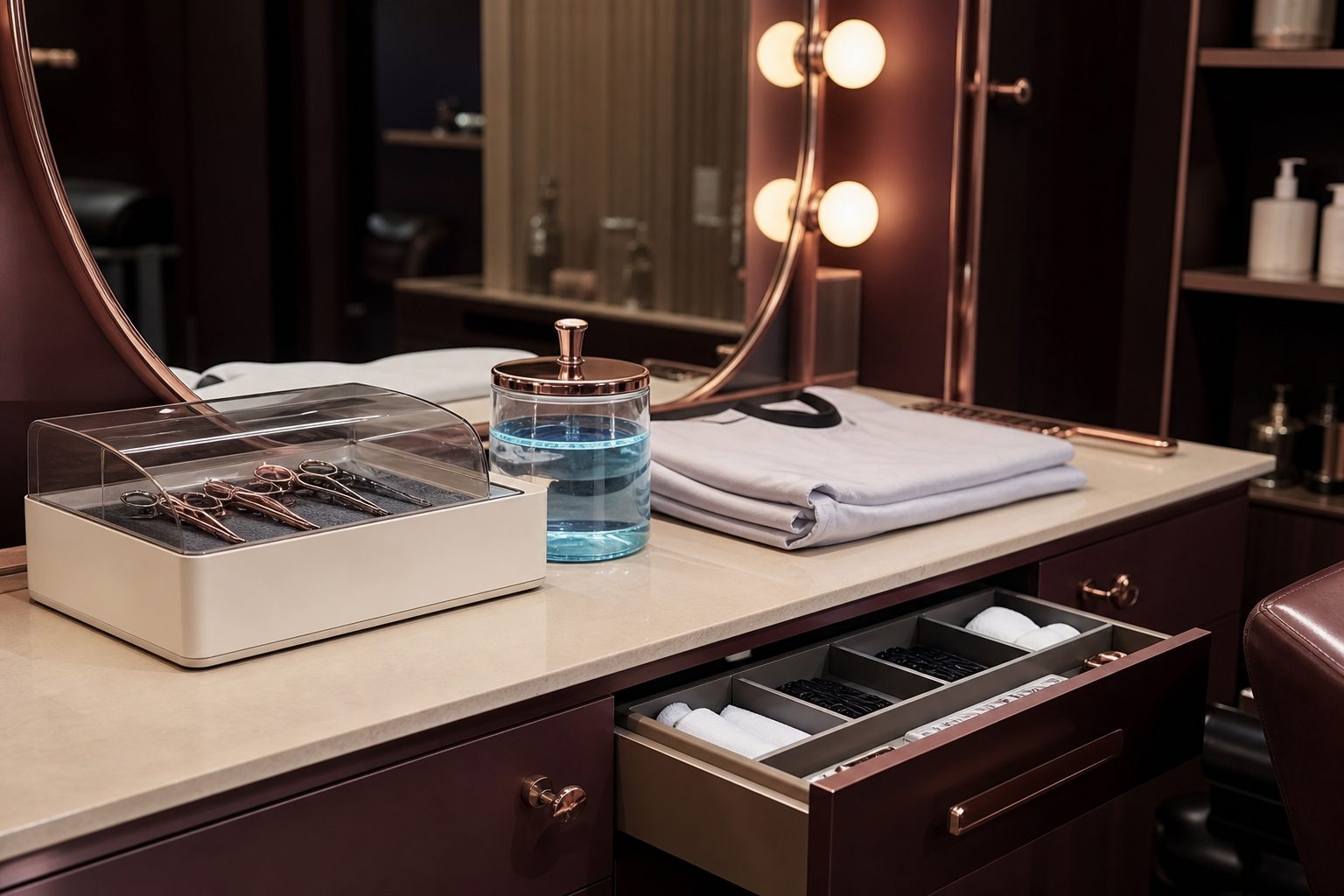
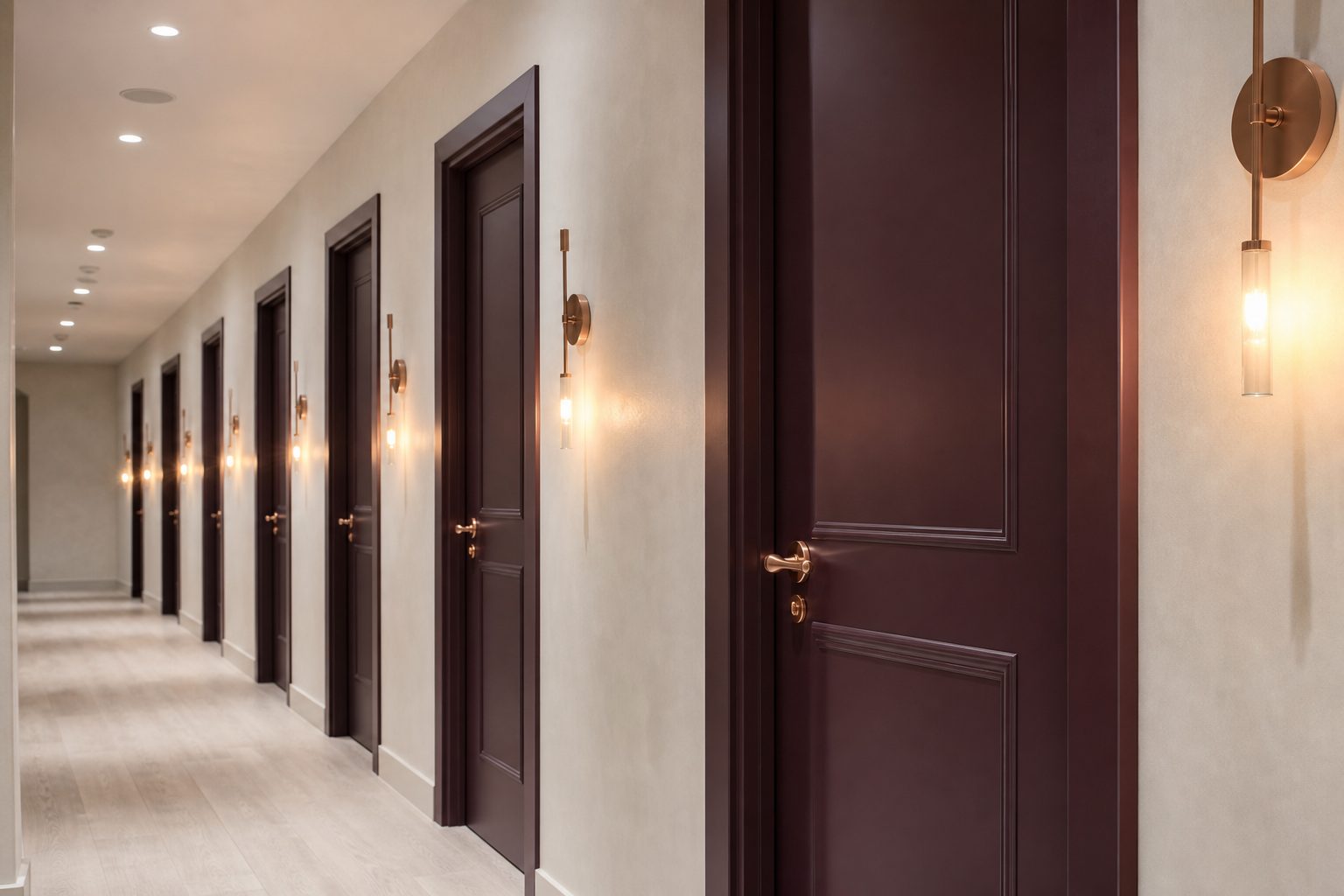
The difference between a booth and a suite goes beyond four walls. Booth renters typically share a common salon space with other stylists. They get a workstation and use of shared backbar, laundry, and breakroom. Suites are more like micro-salons. Renters get a lockable, private room with their own sink, cabinets, and styling chair.
Suites often provide more than privacy. Many come with control over décor and music. Some include added services like package delivery, towel service, and secure Wi-Fi. In larger suite centers, a receptionist may greet clients or sort mail. These extras support a more personalized client experience and can justify higher rent.
However, the suite model also means more responsibility. Suite renters must stock their own supplies, handle trash, and ensure compliance with local health rules. Some suite operators provide only the basics: four walls, a door, and utilities. Everything else, from scheduling to sanitation, falls on the renter's shoulders.
Insurance requirements can differ as well. Booth renters may be covered under a salon's liability umbrella. Suite renters are frequently required to carry their own liability and property insurance, since they control their space. This can add an extra step to the move-in process.
Lease terms, rent escalators and the real cost of leaving a suite
Lease agreements for salon suites vary. Most are modeled after commercial property leases, not residential. Standard terms range from six months to two years, and renewal is often automatic unless notice is given. Unlike a booth rental, which may roll over week to week, suite leases usually require more commitment up front.
Rent escalators are common. These clauses increase rent each year or at renewal. Some leases specify a fixed dollar amount or percentage. Others tie increases to inflation or local market rates. It is important to understand what triggers rent hikes and how they are calculated, since a low starting rate can climb quickly over a multi-year term.
Leaving a suite before the lease ends can be expensive. Early termination fees usually require payment for the remaining months or a set penalty. Some leases allow a buyout if a qualified replacement can be found, but this is not guaranteed. Unlike booth rental, where a stylist can often leave with a few weeks' notice, suite lease obligations are harder to escape.
Every lease should spell out responsibilities for cleaning, repairs, and returning the space to original condition. Some suite operators deduct from the security deposit for any damage, repainting, or missing keys. Reading the fine print on move-out terms can prevent surprises later.
Keep reading: Break Even Math for a Rented Chair: Rent, Backbar and Fees
Universal license recognition and moving a license across state lines
Mobility has become key for many stylists, especially with family moves or the lure of better markets. Traditionally, transferring a cosmetology license between states is a slow process. Each state sets its own requirements. Some accept another state's license, but many demand extra paperwork, exams, or even additional training hours.
Universal license recognition is gaining traction in several states. The idea is simple: if you are licensed and in good standing elsewhere, you can get a license by showing proof, with minimal extra steps. This helps stylists and booth renters who want to move without starting from scratch. However, not all states participate, and some carve out exceptions for certain specialties or recent graduates.
For stylists considering a move, it pays to check both the state board's rules and any recent legislative changes. Even in states with broad recognition, there may be fees, background checks, or insurance checks as part of the application. Timelines vary. In some cases, approval comes in days. In others, it may take weeks or months to process.
The universal recognition trend is not yet nationwide. States with more established licensing boards or unique training requirements may hold back. Still, the momentum is toward easier cross-state mobility, which benefits both independent stylists and suite operators looking to attract talent.
The push to cut required training hours, and where it stands
Training hour requirements for cosmetology licensure have long been a sticking point. Some states require twice as many hours as others. This creates barriers for stylists who move or want to enter the field quickly. Recently, several states have reduced required hours for cosmetology, barbering, and esthetics programs.
Supporters of shorter programs argue that high hour requirements do not always reflect job skills. They say that students often spend time on tasks unrelated to real-world salon work. Reducing hours lowers the cost of education and helps new talent join the workforce faster. For renters, this can mean a bigger pool of available stylists and lower barriers to entry.
Opponents worry that less training could lower standards or increase safety risks. Some school owners and established stylists argue that hands-on practice matters and that newly licensed professionals should be able to deliver consistent results. Despite these concerns, several states have already revised their rules, and others are considering similar moves.
In most cases, reductions apply to initial licensure, not continuing education or specialty certifications. Stylists should check whether their state recognizes out-of-state hours or has updated its curriculum guidelines. The trend is toward more flexibility, but requirements still vary widely from state to state.
See how ShearHold handles this for beauty and salons
Client expectations around deposits, prepay and text confirmations
Clients are more accustomed to booking deposits and prepay options than ever before. Independent stylists and suite renters who rely on reliable income often turn to deposits to protect against no-shows and last-minute cancellations. This practice is now common in many markets, especially for higher-ticket services like color corrections or extensions.
Text confirmations and automated reminders have become the new normal. Clients expect a quick message after booking, and a reminder the day before. These systems cut down on missed appointments and give stylists more control over their schedules. Many clients also look for the ability to reschedule or rebook online, without a phone call.
No-show fees are increasingly accepted, but communication is key. Clear policies must be explained at booking and often repeated in appointment reminders. Some renters use electronic forms or appointment apps that require clients to accept terms before confirming. This reduces disputes and sets expectations up front.
The adoption of digital payment tools and booking platforms has made these policies easier to implement. Clients who book through an app or website are more likely to expect deposit requirements than walk-ins or phone appointments. Stylists who explain the reasons for these policies, protecting time, managing cancellations, tend to get better compliance and fewer hard feelings.
What to put in your next chair or suite agreement before you sign
Lease and rental agreements are more complex than many expect. Before signing, stylists should clarify what is included in rent, such as utilities, Wi-Fi, laundry, receptionist services, and cleaning. If something is important to your business, like 24-hour access or parking, get it in writing.
Spell out the rules for subletting, bringing in assistants, or adding another professional to your space. Some operators allow these arrangements, while others do not. Make sure the contract outlines any restrictions on business hours, product sales, or signage, especially in suite centers with shared branding or marketing.
Understand renewal and termination terms. Look for clauses about rent increases, security deposit return, and penalties for early departure. If the lease allows for assignment or finding a replacement, ask how this process works. Clarify what condition the space must be in at move-out to avoid deductions from your deposit.
Include how disputes will be handled. Some leases require mediation or arbitration. Knowing your rights and obligations before problems arise can save time and money. If you use booking software or handle payments digitally, confirm whether the operator has rules about client data, marketing, or technology use on the premises.
Many successful renters use digital tools to manage deposits, enforce no-show policies, and streamline booking. Tools that combine scheduling, deposit capture, and client reminders can help chair renters and suite owners protect their time and income, while meeting client expectations for convenience and communication.